
How to Properly Pot Peyote Cacti

How to Properly Pot Peyote Cacti (Lophophora williamsii)
Potting peyote correctly is one of the most important steps to ensure a healthy, rot‑free cactus that grows steadily over time. Like many succulents, peyote slows down when it outgrows its container or when the soil becomes compacted. A well‑timed repot usually gives the plant a noticeable boost in vigor.
Follow this guide to pot your peyote the right way.
1. Choose the Right Pot
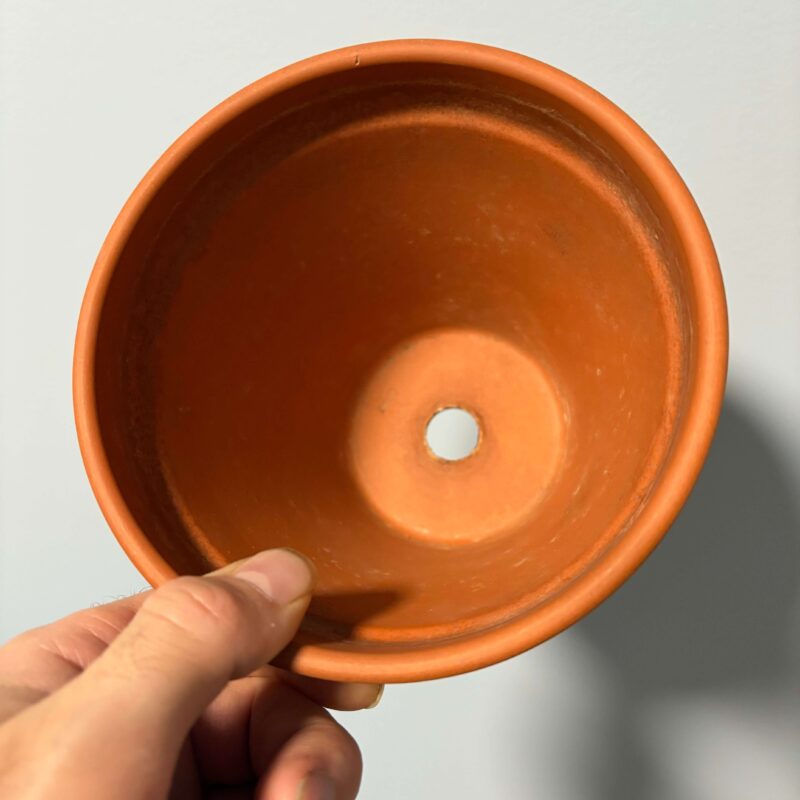
Terracotta pots are the best choice for peyote. Terracotta is porous, allowing water to evaporate from the soil quickly. This helps prevent overwatering issues such as root rot and fungal infections.
Always use a pot with a drainage hole. Without one, water pools at the bottom and causes the roots to rot.
2. Pick the Correct Pot Siz
Pot size is critical – an oversized pot holds excess moisture and invites problems. Use these guidelines:
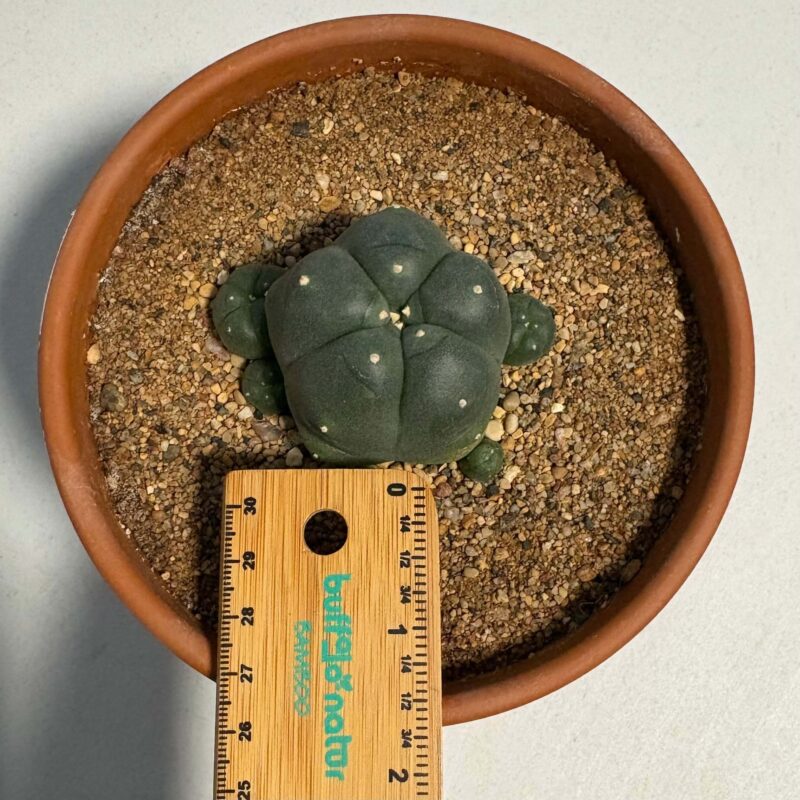
- Leave no more than 1–2 inches of space between the cactus body and the pot’s edge.
- Ensure there is about 2 inches of space at the bottom for root growth.
A properly sized pot gives roots room to expand without holding too much soil that stays waterlogged.
3. Select the Right Soil Mix
The ideal mix depends on the cactus’s age:
- Young seedlings retain water less efficiently and benefit from a slightly moister (but still well‑draining) mix.
- Mature peyote holds water very well and needs fast‑draining soil to prevent moisture from lingering around the roots.
4. How to Pot a Peyote Cactus – Step by Step
When you’re ready to pot your peyote:
- Remove the cactus carefully from its old pot and gently loosen the soil from the roots.
- Hold the cactus in place inside the new pot and fill fresh soil around the roots.
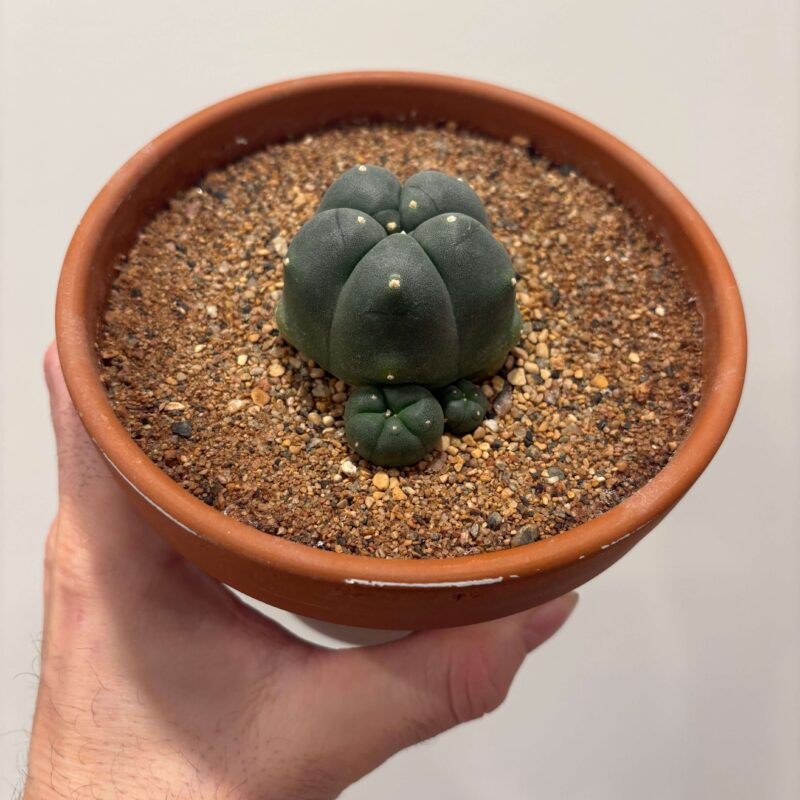
- Lightly pack the soil – only the roots should be covered. Damp soil touching the cactus body can cause fungal issues.
- Add a top dressing of small stones or coarse sand. This helps deter bugs, reduces algae growth, and gives the pot a clean, finished look.
- Wait a few days before watering – this allows the roots to recover from transplant shock.
Conclusion
Proper moisture control and adequate root space are the keys to preventing rot and fungal problems. Taking the time to pot your peyote correctly ensures steady growth and a healthy cactus for years to come.
🌵 For a complete guide from seed to flower, check out our Peyote Cactus Cultivation Course.
Frequently Asked Questions (FAQs)
1. How often should I repot my peyote cactus?
Peyote grows slowly, so repotting every 2–3 years is usually sufficient. Repot when you see roots coming out of the drainage hole or when the cactus has clearly outgrown its pot.
2. Can I use a plastic or glazed ceramic pot instead of terracotta?
Yes, but be extra careful with watering. Plastic and glazed ceramic pots retain moisture much longer, increasing the risk of root rot. If you use them, choose a very gritty soil mix and water less frequently.
3. Should I water immediately after potting?
No. Wait at least 3–7 days before watering. This gives any broken roots time to callus over, reducing the risk of rot. After the waiting period, water lightly.
4. What’s the best time of year to pot peyote?
Late winter to early spring (just before the growing season) is ideal. The cactus will be emerging from dormancy and can quickly establish new roots. Avoid repotting in mid‑winter or during extreme heat.
5. My peyote is wrinkled after repotting – is that normal?
Yes, some wrinkling is normal due to transplant shock and the temporary lack of water. Once you water after the waiting period and the roots re‑establish, the cactus should plump back up within a week or two.