A Beginner’s Guide to San Pedro Cactus Retreats

Guide to San Pedro Cactus
As more people explore plant‑based medicines, interest in psychedelics has been growing especially as studies and clinical trials continue to show potential for treating depression, anxiety, PTSD, and even addiction.
As a result, many are seeking life‑changing experiences through guided psychedelic retreats. San Pedro, in particular, has drawn attention for its long history of traditional use.
Let’s take a closer look at San Pedro retreats: what they are, where to find them, what to expect, and some legal things to keep in mind.
What Is San Pedro?
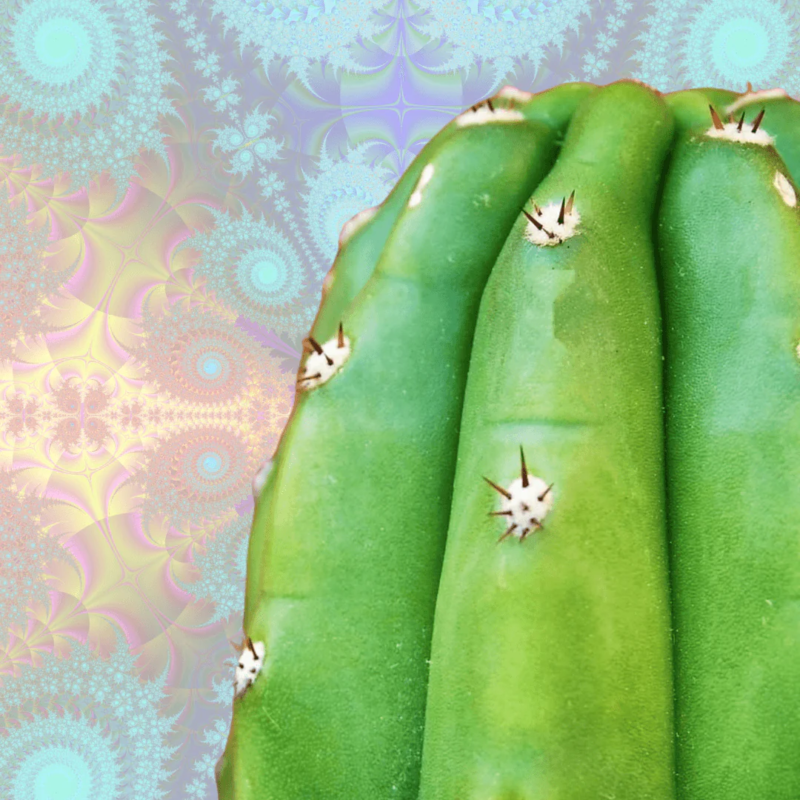
San Pedro (also known as Huachuma) is a fast‑growing cactus native to the Andes Mountains of South America. It contains the psychedelic compound mescaline.
For thousands of years, Indigenous peoples in Peru, Ecuador, and Bolivia have used it for ceremonial purposes. It’s considered a sacred plant – a tool to connect with nature, gain insight, and promote emotional and spiritual well‑being.
What Is a San Pedro Cactus Retreat?
A San Pedro retreat is a guided experience where participants work with the cactus in a traditional way. These are often held in group settings and are supported by experienced facilitators who:
- Help you set intentions
- Guide the ceremony
- Provide a safe, supportive space throughout
Retreats are carefully structured, usually in quiet, natural environments. This helps you disconnect from daily life and focus inward. Many retreats also include preparation and integration practices – like meditation, journaling, or group discussions – so you can reflect on and apply what you experience.
How the Cactus Is Prepared and Consumed
The San Pedro used may be wild‑harvested or grown specifically for ceremonial use. Preparation is done in a traditional way:
- Spines and outer skin are removed
- The cactus is sliced and boiled to make a tea
- Participants drink the tea slowly to ease into the experience
Purging (nausea and vomiting) is often part of the process. In traditional contexts, this is seen as a form of cleansing – both physical and emotional.
How a Typical Ceremony Unfolds
Before the ceremony, there is a period of fasting – sometimes up to 12 hours or longer. Fasting intensifies the experience and reduces the nauseating effects of the cactus.
Before drinking the tea, it’s common to do meditation and breathing exercises to calm your nerves.
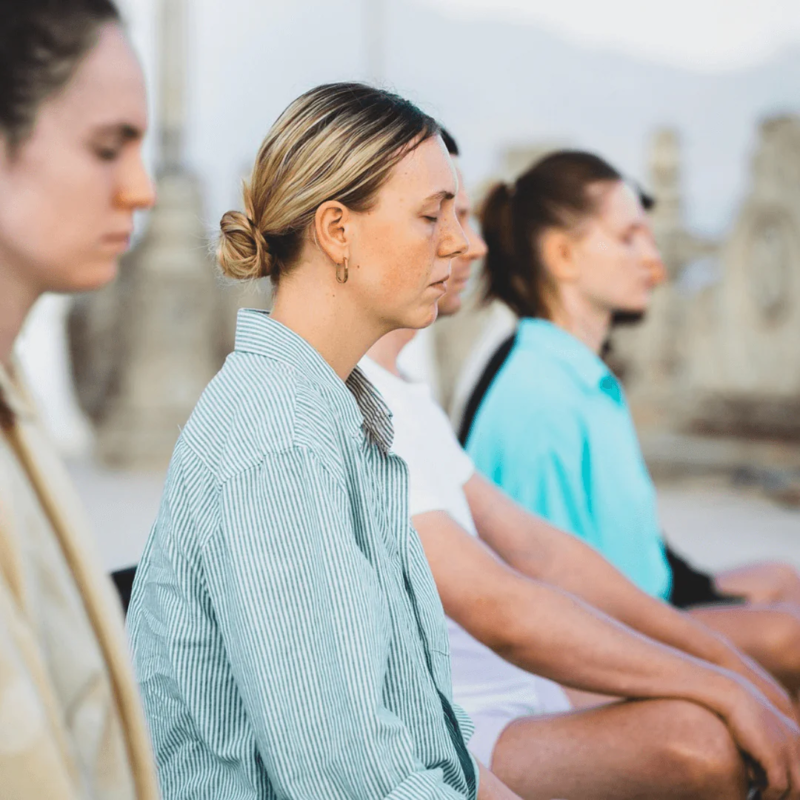
After drinking, participants often sit or lie down in a circle. Many close their eyes to turn their focus inward and minimize distractions. During this time, facilitators may guide the ceremony with drumming, chanting, music, or extended periods of silence.
The Effects of San Pedro Cactus
San Pedro produces a range of psychedelic effects. You might experience:
- Vivid closed‑eye imagery – swirling colors, geometric patterns
- Altered sense of time
- Intensified colors and heightened senses (especially touch)
- Powerful emotions – from euphoria and happiness to anxiety, paranoia, or confusion
At higher doses, some people temporarily lose their sense of self – a phenomenon known as ego dissolution or ego death.
Healing and Therapeutic Effects
Despite challenging moments, San Pedro is often described as profoundly healing:
- Emotional release – suppressed feelings or old traumas can surface and clear
- Clarity and insight – you may see personal challenges, relationships, or life choices from a completely new angle
- Increased empathy – toward others, nature, and the cosmos
- Positive life changes – the insights often inspire healthier habits and personal growth
What Happens After the Ceremony
Once the effects wear off, participants rest, eat light meals, and take quiet time to let their mind and body settle.
Then comes integration – reflecting on and applying what you learned. Many retreats hold group sharing circles, giving you space to talk about what arose and gain perspective from others.
Integration often continues for weeks or months after the retreat. The insights, emotional release, and clarity you experienced can keep influencing your thoughts, decisions, and behaviors.
How to Find San Pedro Retreats
San Pedro retreats are most common in South America, especially Peru and Ecuador – regions with a long cultural history of Huachuma ceremonies. Both traditional healers and modern retreat centers offer them.
A growing number of retreat centers can also be found in North America, though they vary widely in structure, quality, and legality.
Tips for finding a safe retreat:
- Research facilitators carefully. Look for transparency about their training, approach, and safety practices.
- Read reviews from past participants.
- Ask questions about preparation, ceremony, and integration.
- Connect with plant‑medicine communities or holistic health groups for recommendations.
Legal Considerations
The legal status of San Pedro varies by country.
| Region | Legal Status |
|---|---|
| Peru, Ecuador, Bolivia | Culturally recognized and legal for traditional ceremonial use. |
| USA, Canada, Mexico | Mescaline is a controlled substance. Preparing or consuming San Pedro for its psychoactive effects is generally illegal, even if the cactus itself can be sold or grown as an ornamental plant. |
Bottom line: If you’re considering a retreat, research the laws of the country where it will take place. Confirm that the retreat operates within local regulations, and be aware of any legal risks for yourself and the facilitators.
Final Thoughts
San Pedro retreats offer a unique opportunity to explore plant medicine in a guided, supportive setting. From preparation to ceremony to integration, these experiences are designed for emotional healing, personal insight, and self‑reflection.
The effects can be profound – from vivid psychedelic visuals to moments of deep inner clarity.
But approach them with care and respect. Choosing a reputable retreat and understanding the legal landscape can help ensure a safe, meaningful journey.
Frequently Asked Questions (FAQs)
1. Is San Pedro the same as peyote?
No. Both contain mescaline, but they are different cacti. Peyote (Lophophora williamsii) is small, slow‑growing, and native to Mexico and southern Texas. San Pedro (Echinopsis pachanoi) is a tall, fast‑growing columnar cactus from the Andes. San Pedro is generally easier to source legally for ceremonial use in South America.
2. How long does a San Pedro ceremony last?
Typically 6 to 12 hours, depending on the dose and the retreat’s structure. The effects come on slowly, peak for several hours, then gradually fade. Many retreats hold ceremonies during the day, starting in the morning and ending in the evening.
3. Is a San Pedro retreat safe for beginners?
Yes – many retreats are specifically designed for first‑timers. However, it’s not for everyone. People with a personal or family history of psychosis or schizophrenia should be very cautious. A good retreat will screen participants beforehand and provide medical guidance.
4. Will I vomit during the ceremony?
It’s common but not guaranteed. Vomiting (purging) is seen as part of the cleansing process. Facilitators are prepared for this and will guide you through it. Sipping the tea slowly and fasting beforehand can reduce nausea.
5. Can I do a San Pedro retreat alone without a guide?
Technically, yes – but it’s not recommended, especially for beginners. A skilled facilitator helps create a safe container, manages difficult experiences, and supports integration afterward. Solo use also carries more legal and safety risks.