
Best Equipment for Growing Peyote 2026

Choosing the Best Equipment for Growing Peyote
Peyote (Lophophora williamsii) is a sacred cactus that grows surprisingly well indoors. But with so many options on the market, picking the right equipment can feel overwhelming.
After years of testing different setups, I’ve narrowed it down to the gear that consistently delivers the best results. In this guide, I’ll walk you through the essential equipment you need to grow peyote successfully at home. At the end, I’ll share links to the brands I personally use and recommend.
1. Heat Mats for Better Germination
Keeping peyote seeds warm during germination is critical. A heat mat gently warms the soil, which helps increase germination rates and encourages strong early growth.
Without a heat mat, your seeds may struggle to sprout, especially if your grow room is cooler than ideal (below 70°F/21°C).
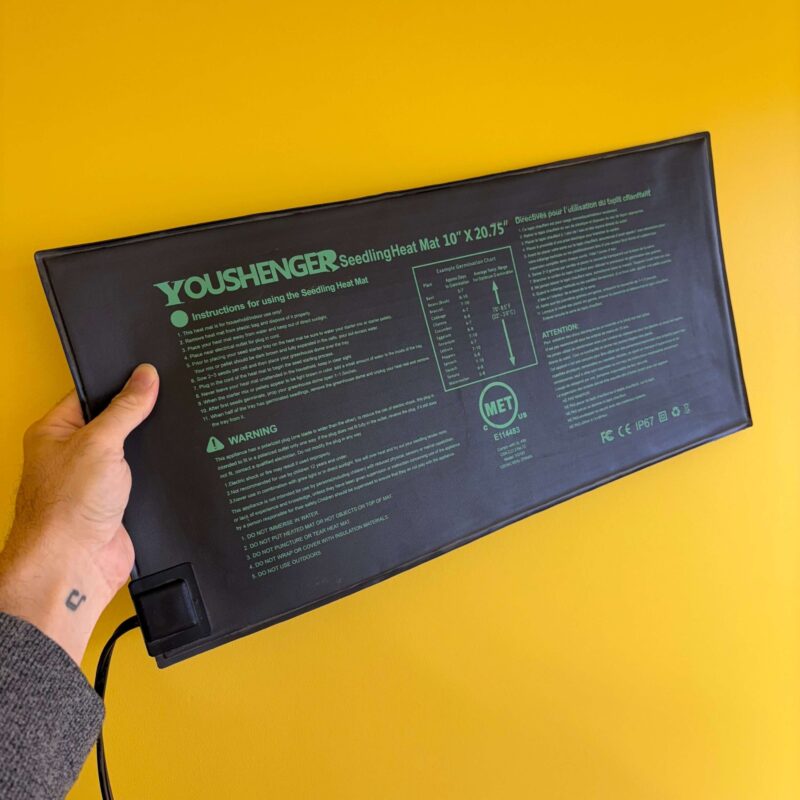
Tip: Pair your heat mat with a thermostat controller to maintain a consistent temperature.
2. Thermometer and Hygrometer Combo
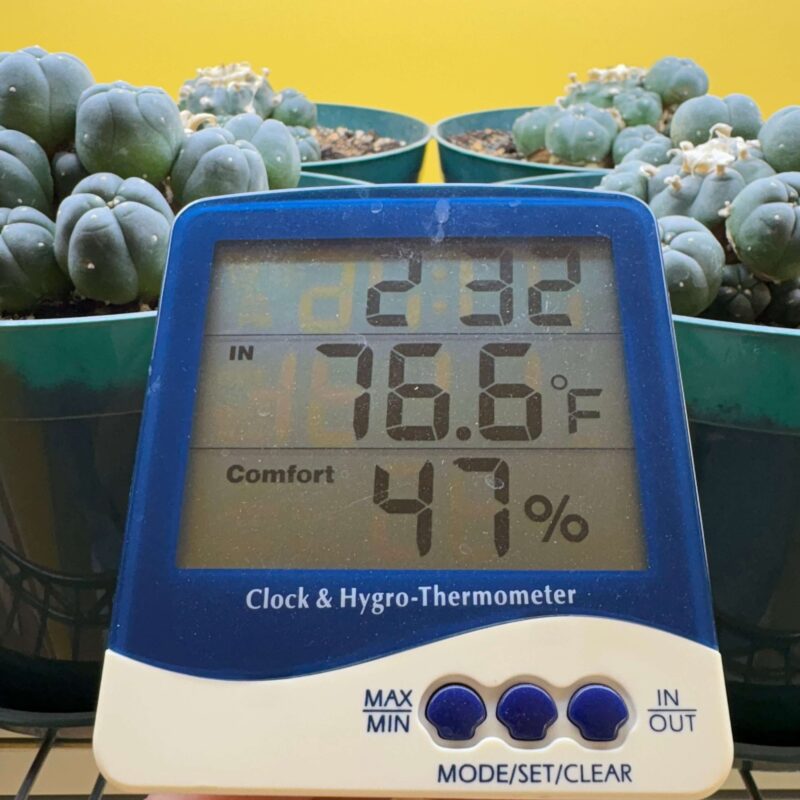
Once your peyote seeds sprout, you’ll want to maintain steady conditions. A thermometer and hygrometer combo monitors both temperature and humidity in your grow space.
| Parameter | Ideal Range |
|---|---|
| Temperature | 70–90°F (21–32°C) |
| Humidity | 30–50% |
Keeping your peyote within these ranges is the best way to prevent problems (like rot or dehydration) and ensure steady growth.
3. Timers for Lighting Consistency
Peyote love consistency. Instead of manually switching your lights on and off, invest in a timer. This ensures your cacti receive the same amount of light every day.
I personally run my lights on a 16 hours on / 8 hours off cycle at every stage of growth.
Why it matters: Consistent light cycles reduce stress and promote healthy photosynthesis.
4. LED Grow Lights
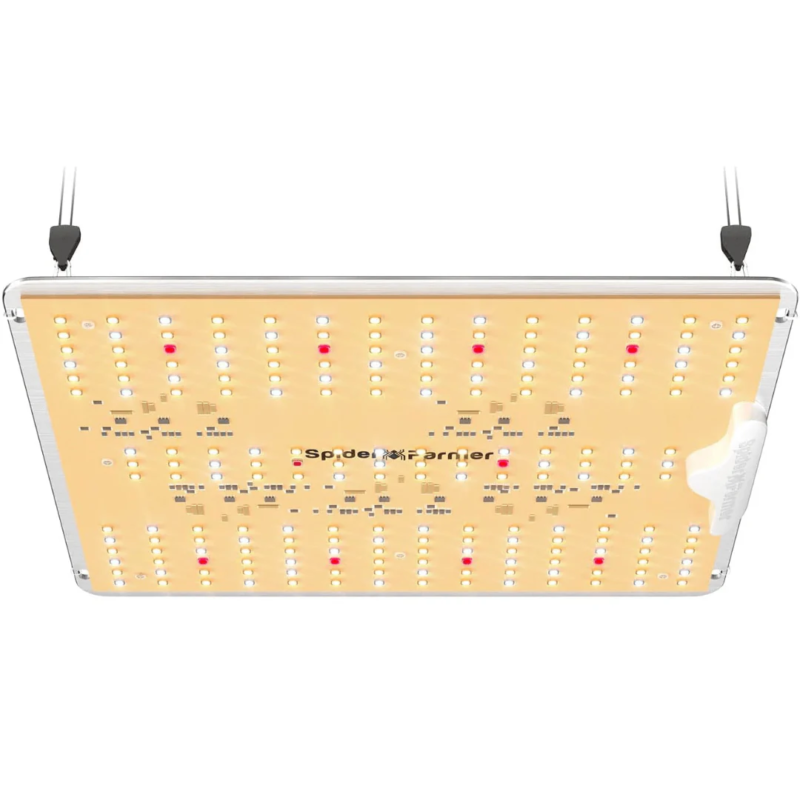
For indoor peyote cultivation, the best option is a full‑spectrum LED light. These lights provide both blue and red wavelengths:
- Blue light supports strong early‑stage growth.
- Red light helps encourage flowering as the cactus matures.
Important: Choose an LED light with a full‑spectrum white output. Avoid the red‑and‑purple “blurple” lights. While they work, they often camouflage issues like light stress, discoloration, or early signs of poor health. With white LEDs, you can clearly see your cactus’s natural color and condition.
5. Growing Racks for Organization and Scale
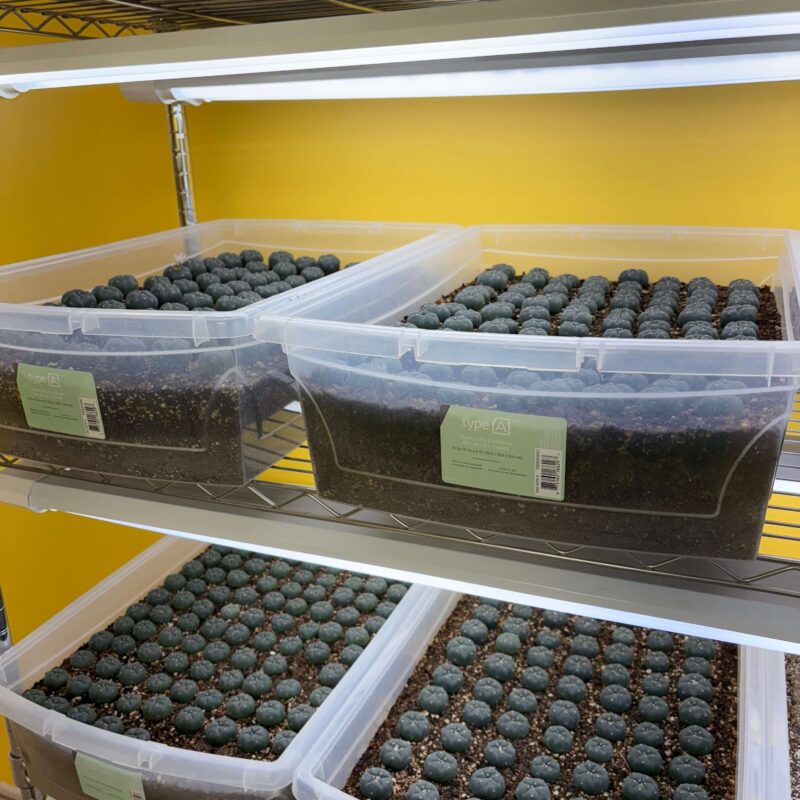
If you’re planning to grow more than just a few peyote cacti, growing racks are a must. They let you use vertical space efficiently while keeping your grow area organized.
Benefits of racks for peyote cultivation:
- Hold multiple trays or pots at once
- Allow you to tie lights securely above each shelf
- Make it easy to expand your grow without taking up extra floor space
This setup is especially useful if you plan on scaling your peyote collection over time.
Final Thoughts
Having the right setup makes peyote cultivation much easier and far more rewarding. From heat mats for germination to LED lights and timers, each piece of equipment helps create the ideal environment for healthy growth.
You can find links to all of the equipment mentioned in this article below, so you can get started with the exact tools I personally use and recommend.
🌵 For a complete deep dive – from germinating seeds to caring for mature plants – check out my Peyote Cactus Cultivation Course.
Frequently Asked Questions (FAQs)
1. Do I really need a heat mat for peyote seeds?
Not strictly, but it’s highly recommended. Peyote seeds germinate best at 75–85°F (24–29°C). A heat mat provides consistent warmth, especially in cooler rooms or during winter, leading to faster and higher germination rates.
2. Can I use regular household LED bulbs instead of grow lights?
Ordinary LED bulbs usually lack the full spectrum and intensity that peyote needs over long periods. They may work for very low‑light maintenance but won’t promote healthy, compact growth. Invest in a dedicated full‑spectrum LED grow light for best results.
3. What’s the ideal distance between an LED grow light and peyote?
Start with the light 12–18 inches above the cactus. Watch for signs of light stress (yellowing or reddish discoloration). If the cactus stretches (etiolation), move the light closer. Adjust based on your specific light’s power.
4. How important is a timer if I can turn lights on/off myself?
Timers remove human error. Peyote thrive on consistency – even a few hours of missed or extended light can cause stress. A $10–15 timer is one of the cheapest and most effective investments you can make.
5. Do I need a growing rack if I only have 2–3 peyote plants?
No. For small collections, a single shelf or windowsill is fine. Racks become valuable when you have multiple pots, seedlings, or different age groups that need separate light and space.
6. Can I skip the thermometer/hygrometer and just guess?
You can, but you’ll risk slow growth or hidden problems. Humidity that’s too high encourages rot; too low dries out seedlings. A simple combo unit costs very little and removes the guesswork.
7. What’s the best light cycle for mature peyote?
The same as for seedlings – 16 hours on, 8 hours off works well for all growth stages. Some growers use 14/10 or 12/12 during winter dormancy, but consistent 16/8 year‑round is fine for indoor growing.